KHUVA
What's Your Taste?

Services:

Product Design

Tools Used:

Figma • Miro • SurveyMonkey • Google Forms • Flutter

Industry:

Sensory & Consumer Science

Timeframe:

2 Years
Project Overview
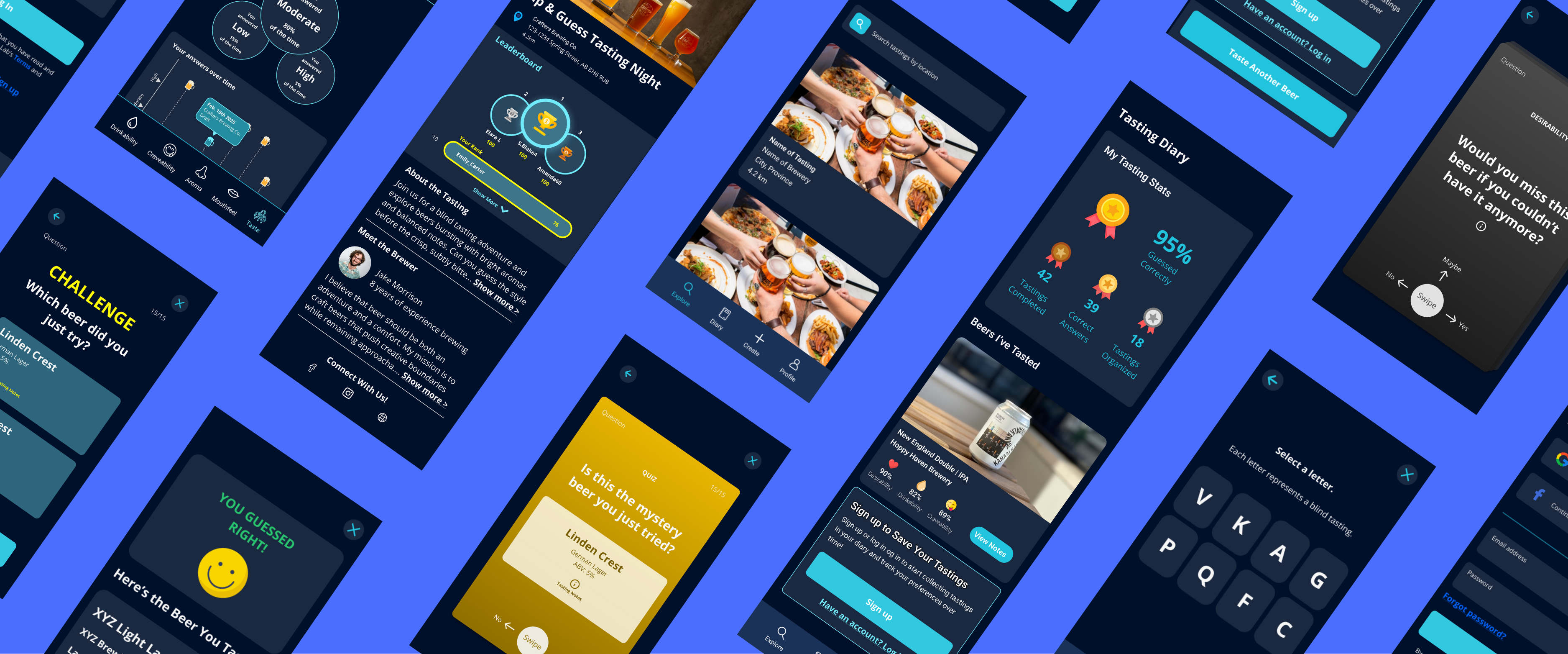
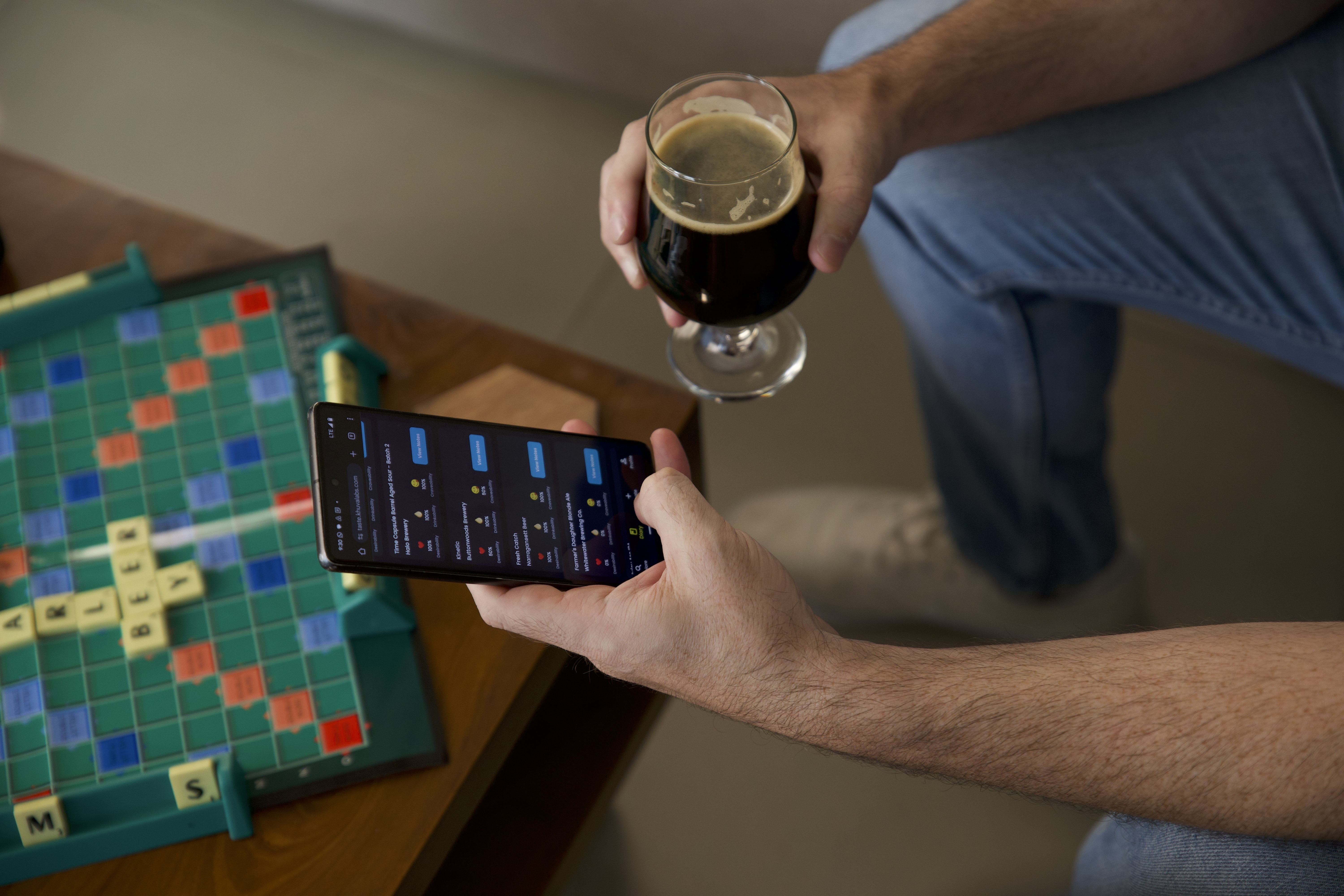
Khuva is a mobile app that lets craft beer lovers explore beers through blind tastings and track their preferences.

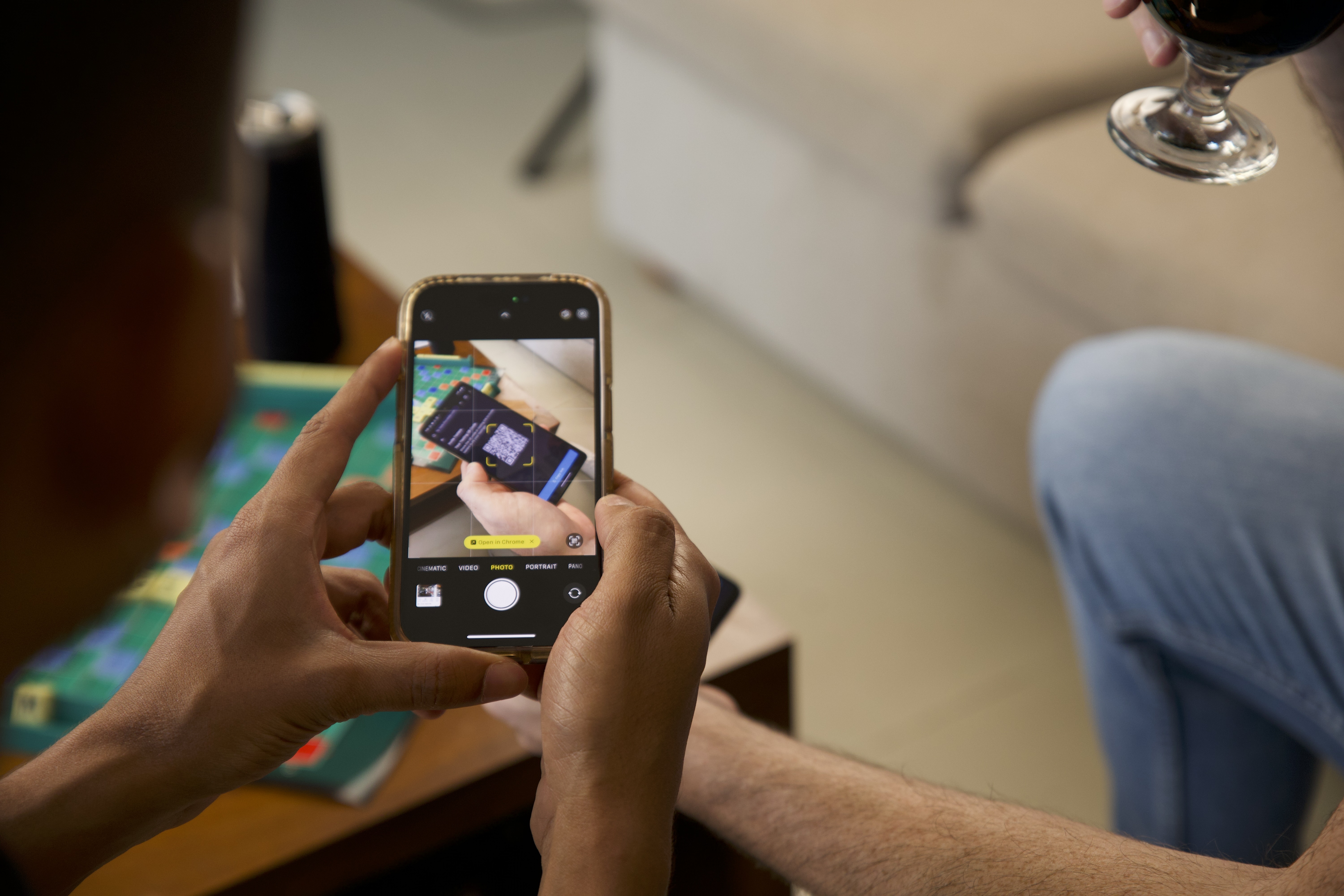
Users can both join and host tastings anywhere, and discover beers in a unique way.

For breweries, it’s a affordable way to gather real-time unbiased feedback on their products and boost engagement.
Objectives
Help breweries collect high-quality unbiased product feedback.

Make beer discovery more fun, memorable, and social.

Let users track their preferences in a simple and fun way.
Research
STEP 1
Interview Craft Beer Lovers
To kick things off, I went straight to the source, talking to craft beer drinkers and industry insiders to uncover what they actually needed. These early conversations shaped everything: how we positioned the product, what features made the first cut, and where we could deliver real value. Our goal? Build something people were excited to use and breweries were eager to support.
I began by interviewing craft beer drinkers to uncover their needs, habits, and frustrations around, discovering, tasting, and tracking beers. I focused on users of competing apps to learn how they navigated existing tools, what worked, what didn’t, and which features they actually used. These insights helped us understand where we could do better.
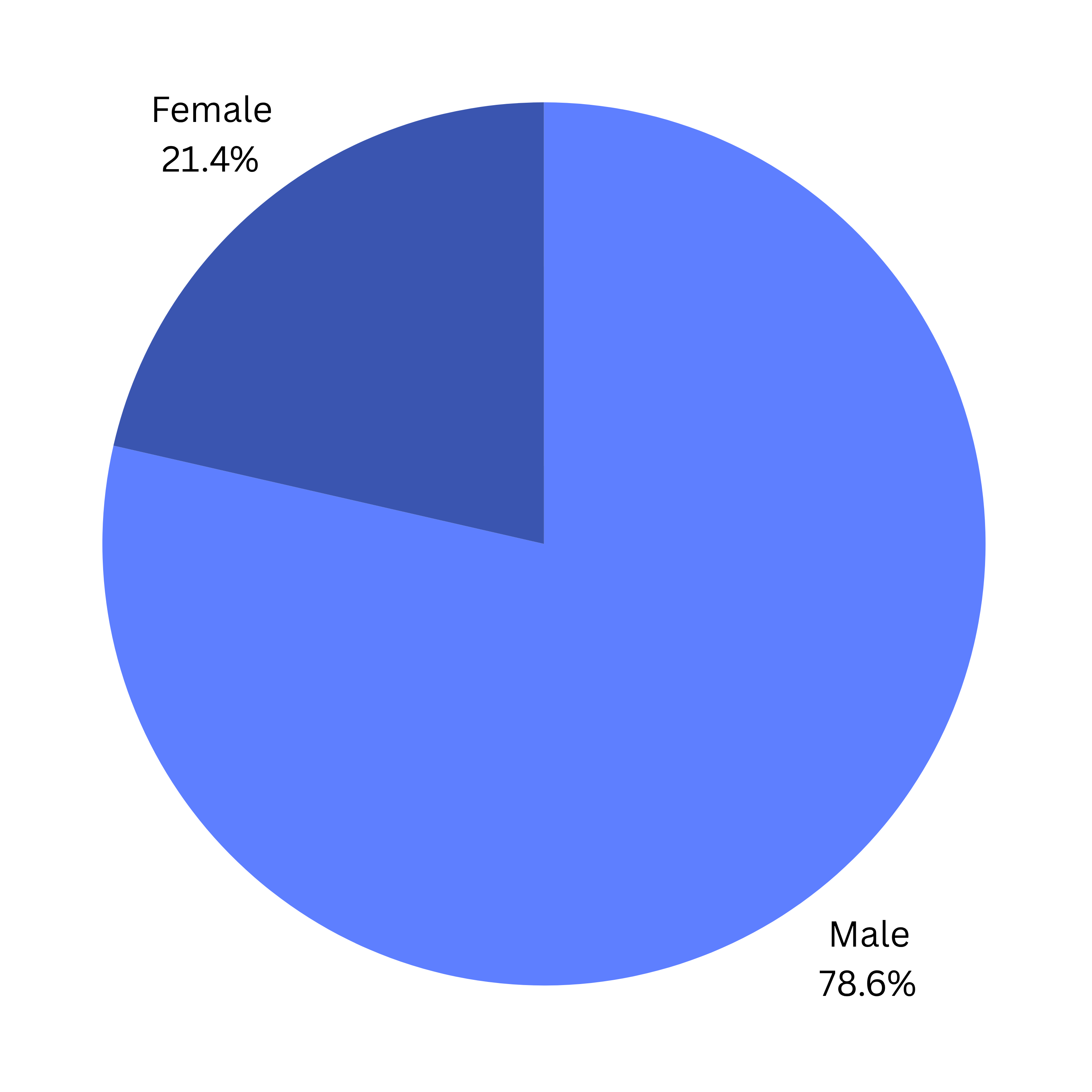
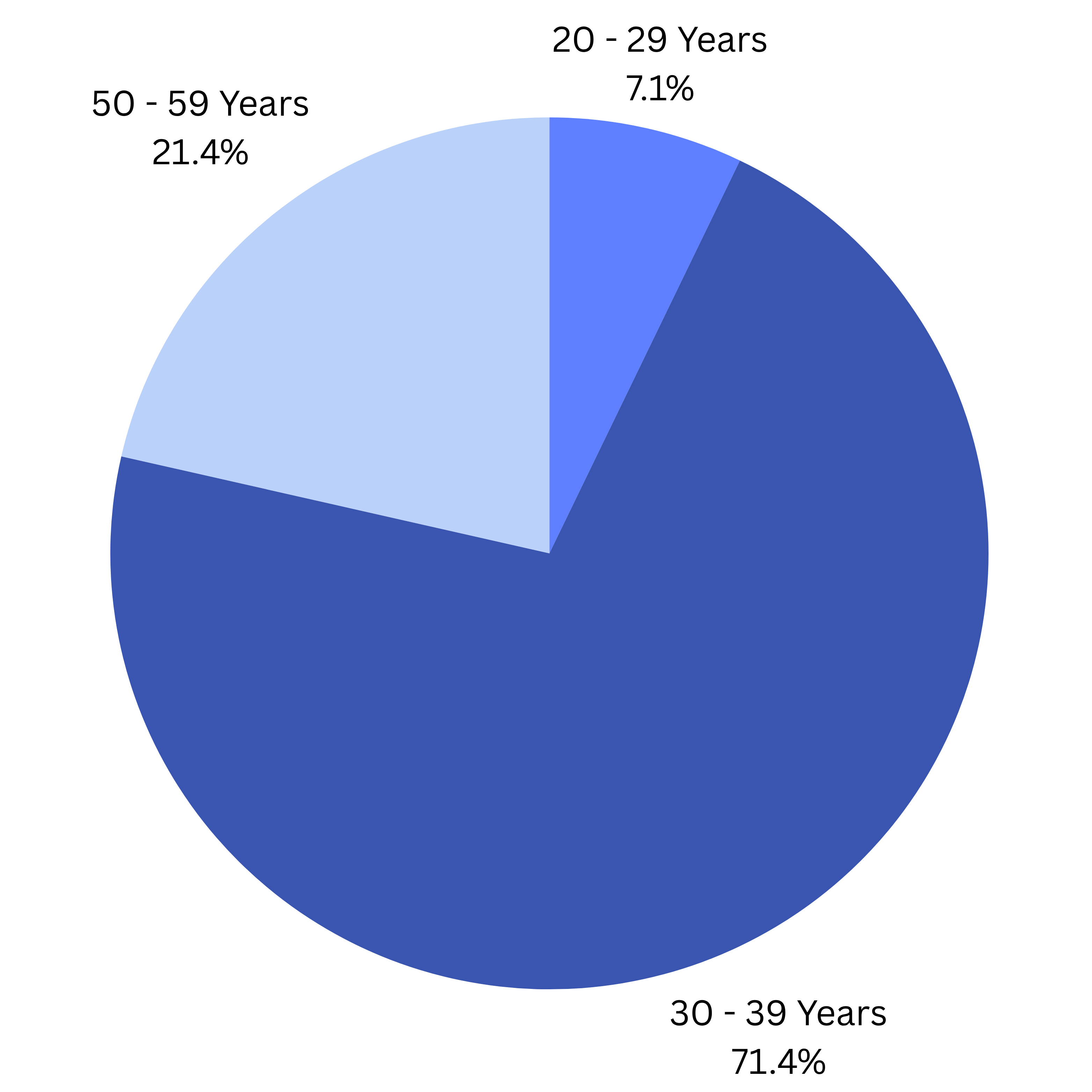
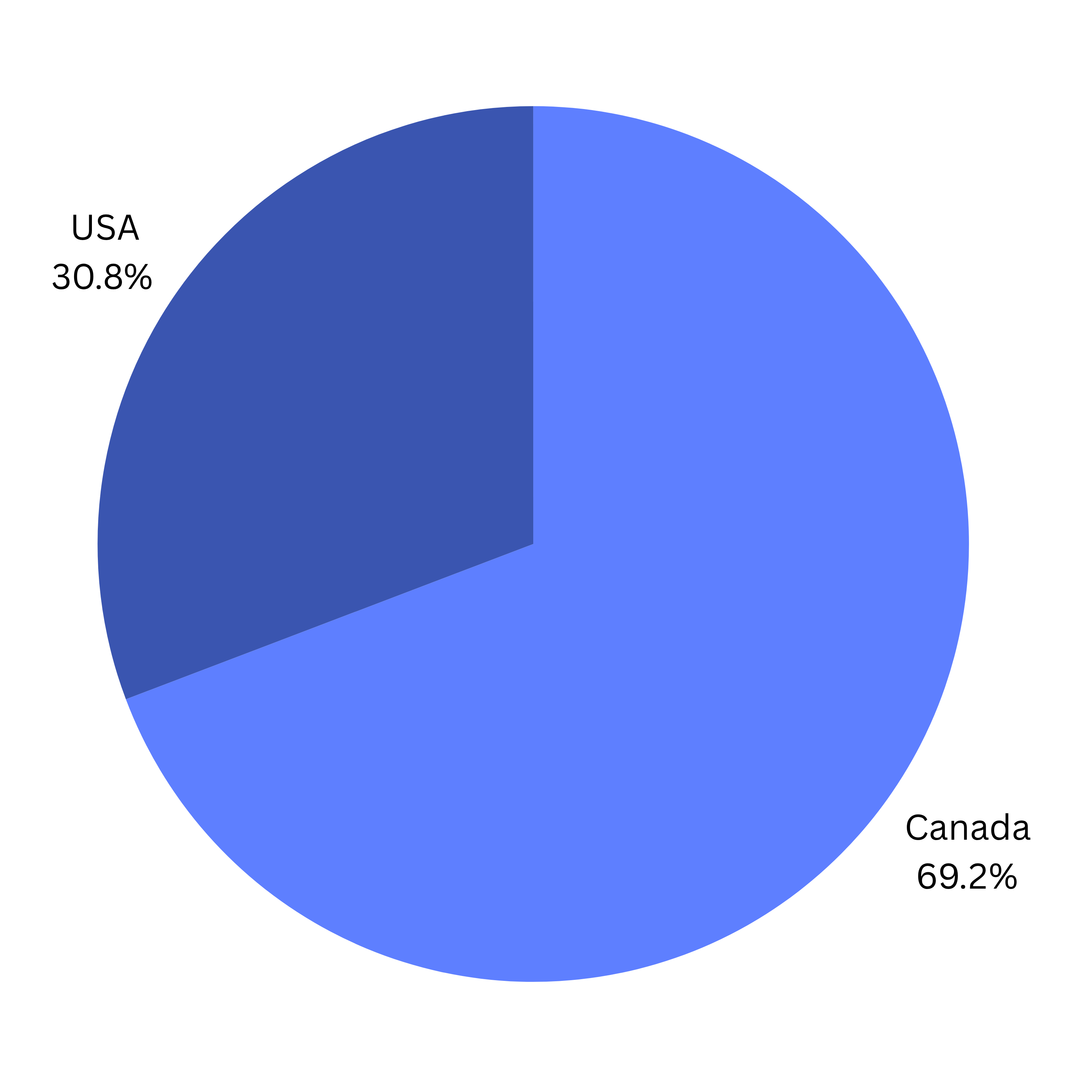
Number of Interviewees: 14
Gender
Age
Location
Primary needs:
A simple way to track and remember beers tried.

Unbiased beer reviews.

Reliable information on new beers and breweries.
Primary pain points:
Frustration with poor-quality user reviews on beer rating platforms.

Having to rely on multiple sources to find complete beer information.
STEP 2
Interview Craft Beer Industry Professionals
Next, I spoke to professionals in the industry. We needed to understand not just their challenges, but how urgently they wanted to solve them. These conversations helped us pinpoint where Khuva could provide real value and justify its place in their workflow.
Number of Interviewees: 12
Primary Needs:

•  
Efficient systems to gather feedback about products and customer preferences.

 Better ways to engage customers and increase foot traffic.

Primary Pain Points:

•  
Declining interest in traditional craft styles.

 Less foot traffic post-COVID.

 Staying ahead of consumer trends.
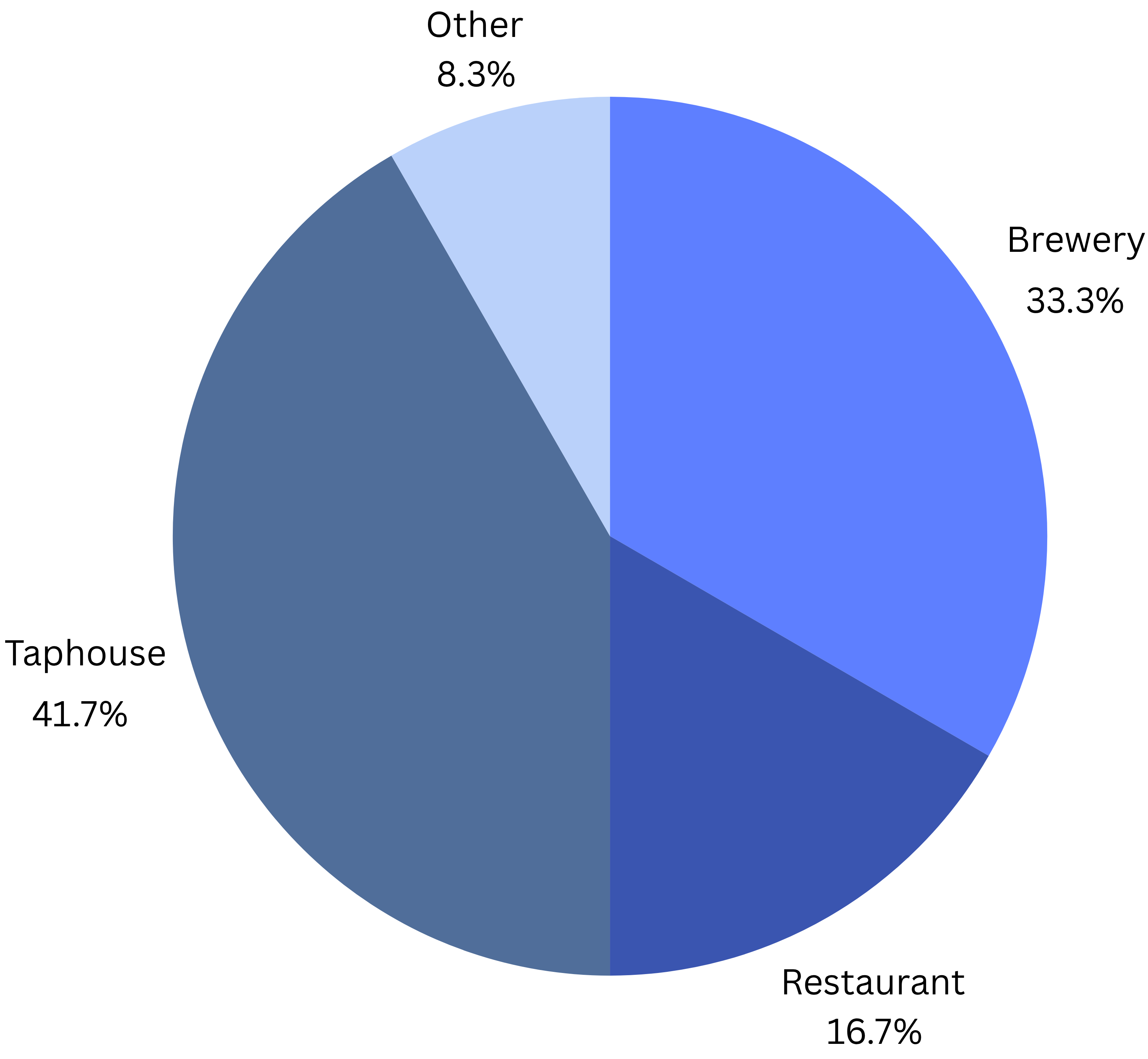
Business Type
Design
STEP 3
Persona
To synthesize insights from the many user interviews I conducted, I created a detailed user persona representing our target audience: craft beer drinkers.

This persona distilled key behaviors, motivations, and pain points uncovered during research, making it easier for the team to empathize with users. It became a central reference point throughout the project, informing product design decisions as well as sales and marketing strategies, ensuring alignment across the entire team.
STEP 4
User Flows
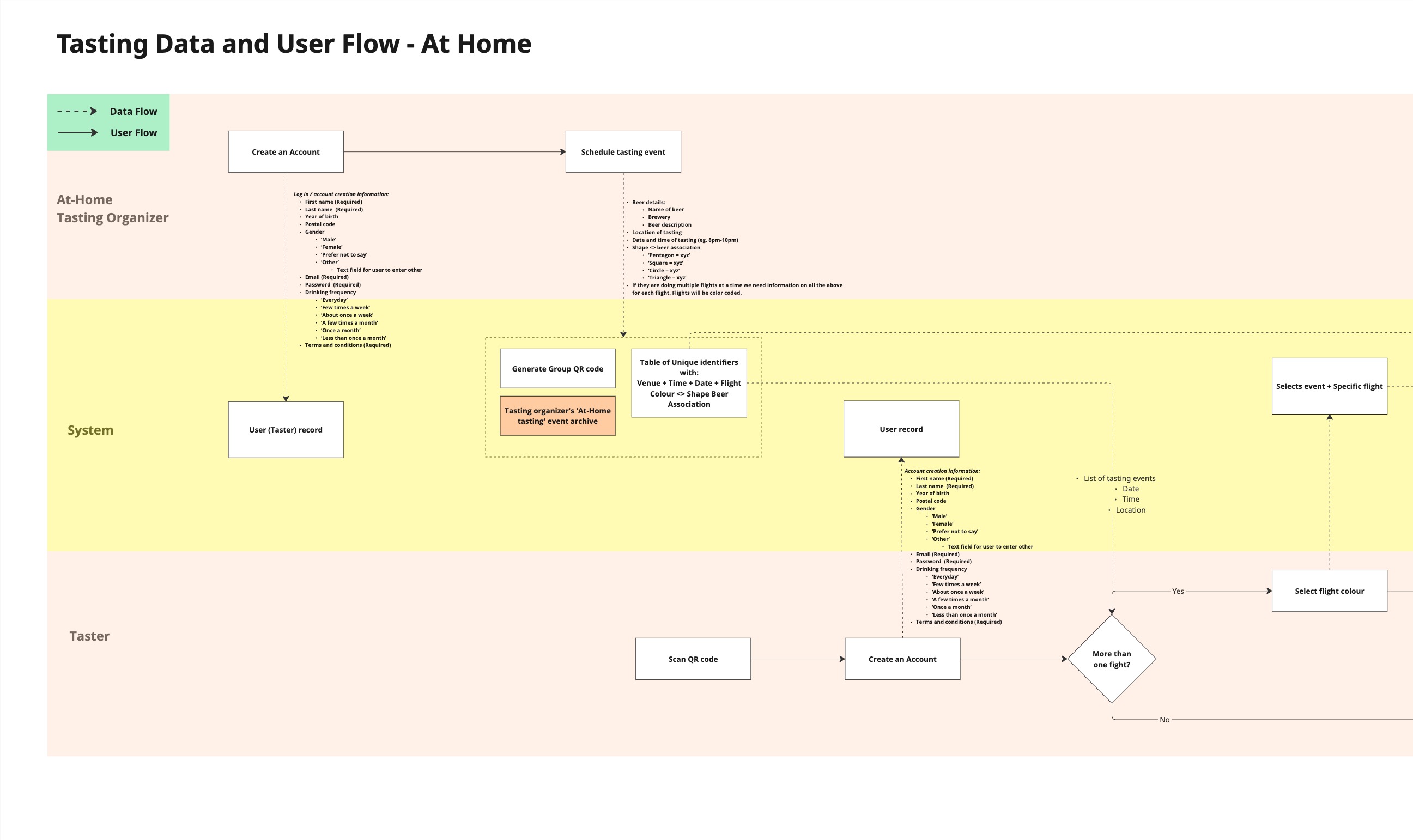
Creating user flows was a key step in aligning with my co-founder on how users would move through the product. These flows helped us visualize step-by-step interactions, identify friction points early, and resolve any logic gaps before moving into wireframes—streamlining collaboration and setting the foundation for a smoother design-to-development handoff.

Alongside mapping user actions, I also outlined the related data flows within each scenario. This gave our developers—who were working on the web app and database structure—greater clarity on how data would move through the system, where it was collected, and how it would be used. The combined flows helped connect the UX and technical perspectives, keeping the full team aligned.

Two flows were outlined:

 A user taking part in a tasting.

  A user organizing a tasting.
STEP 5
MVPs & Rapid Testing
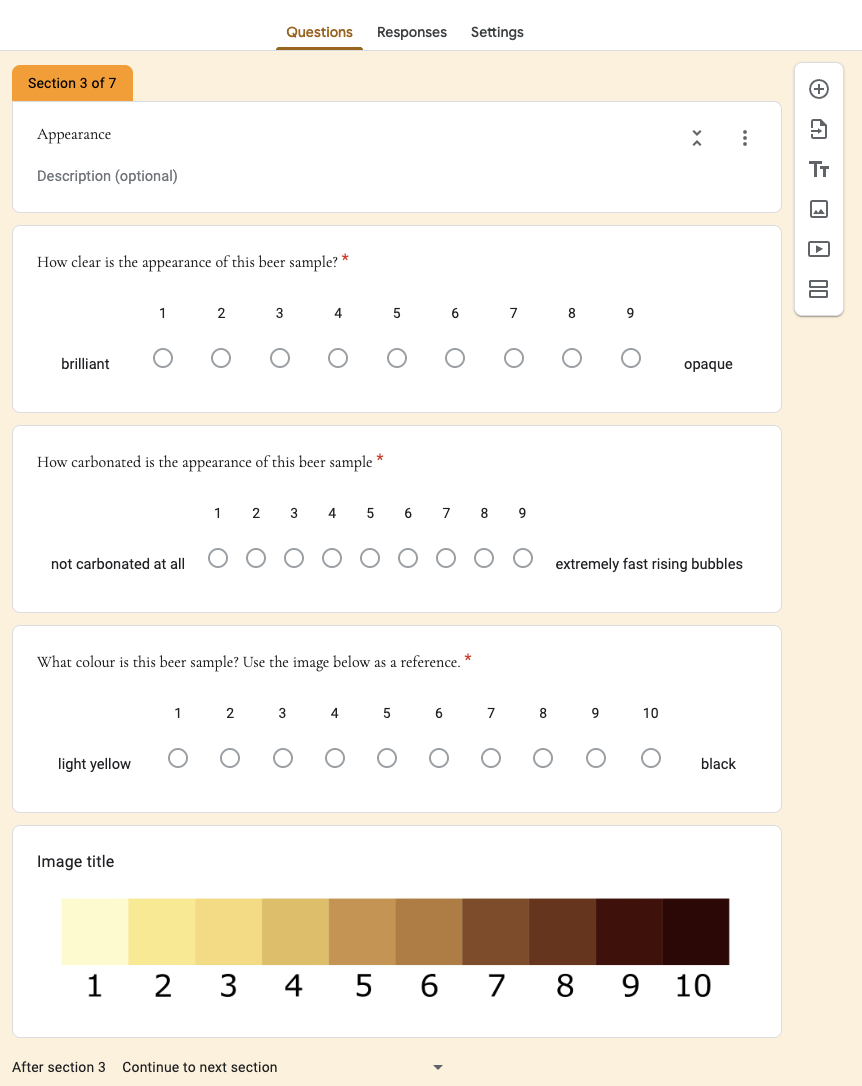
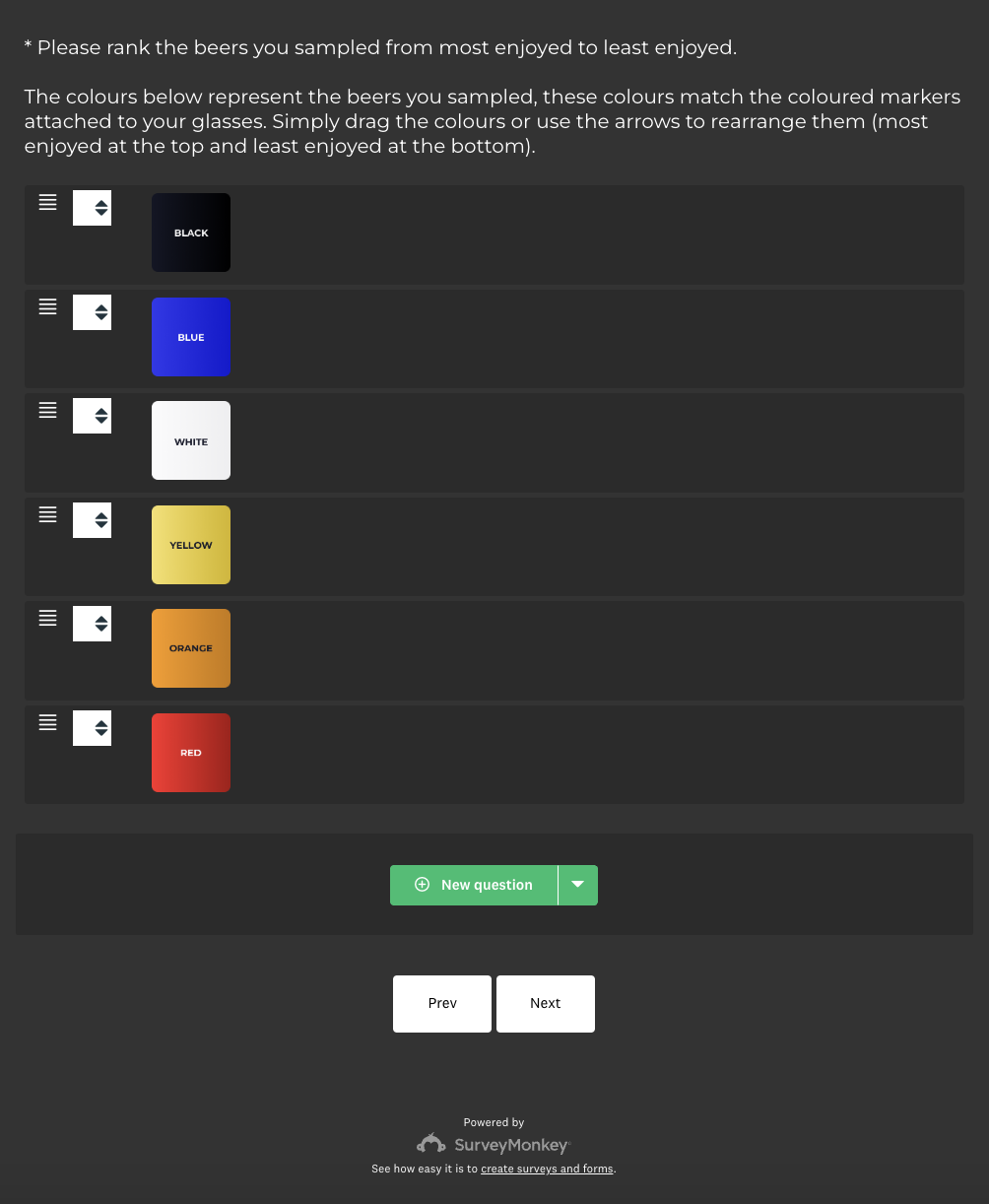
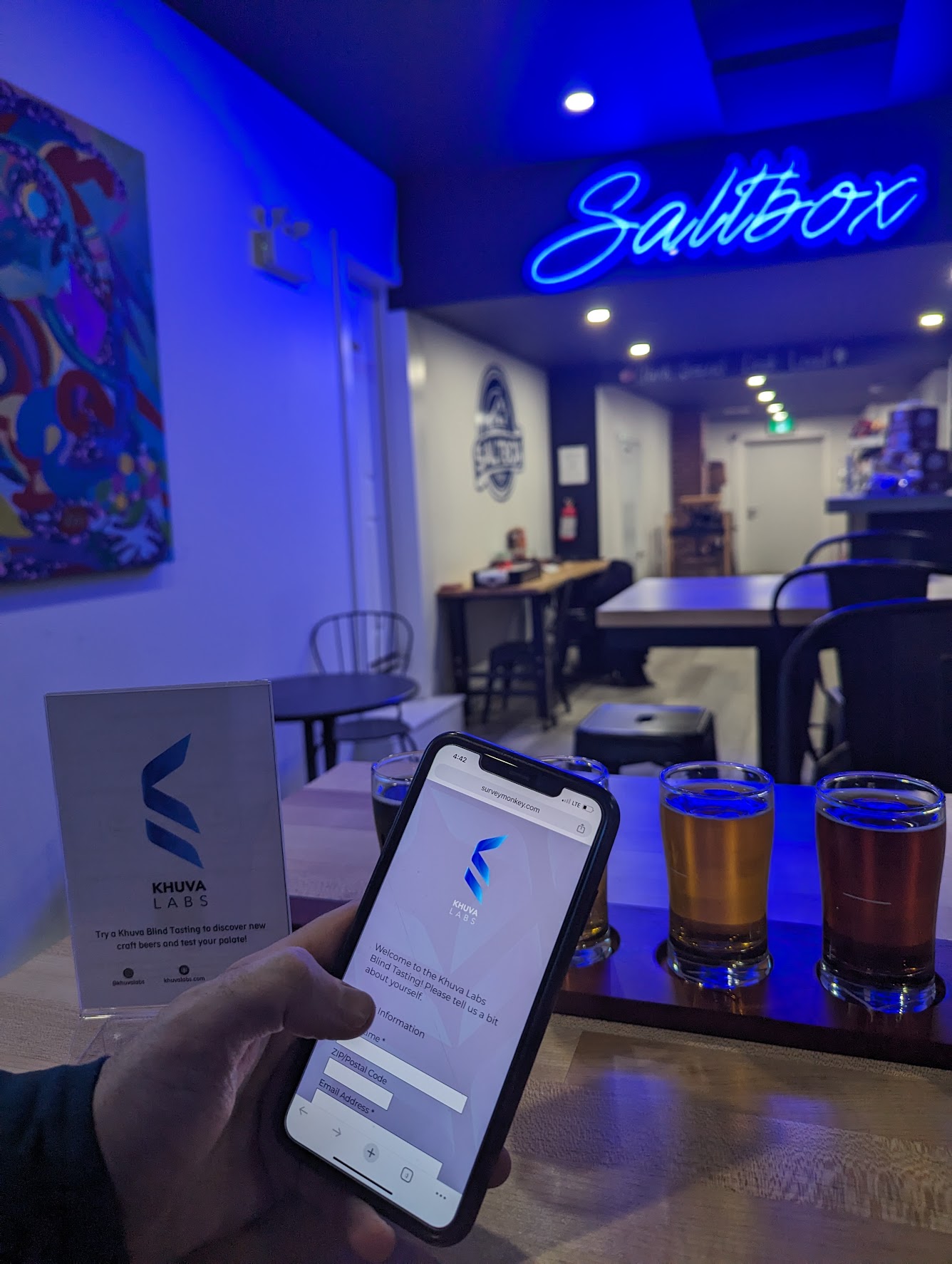
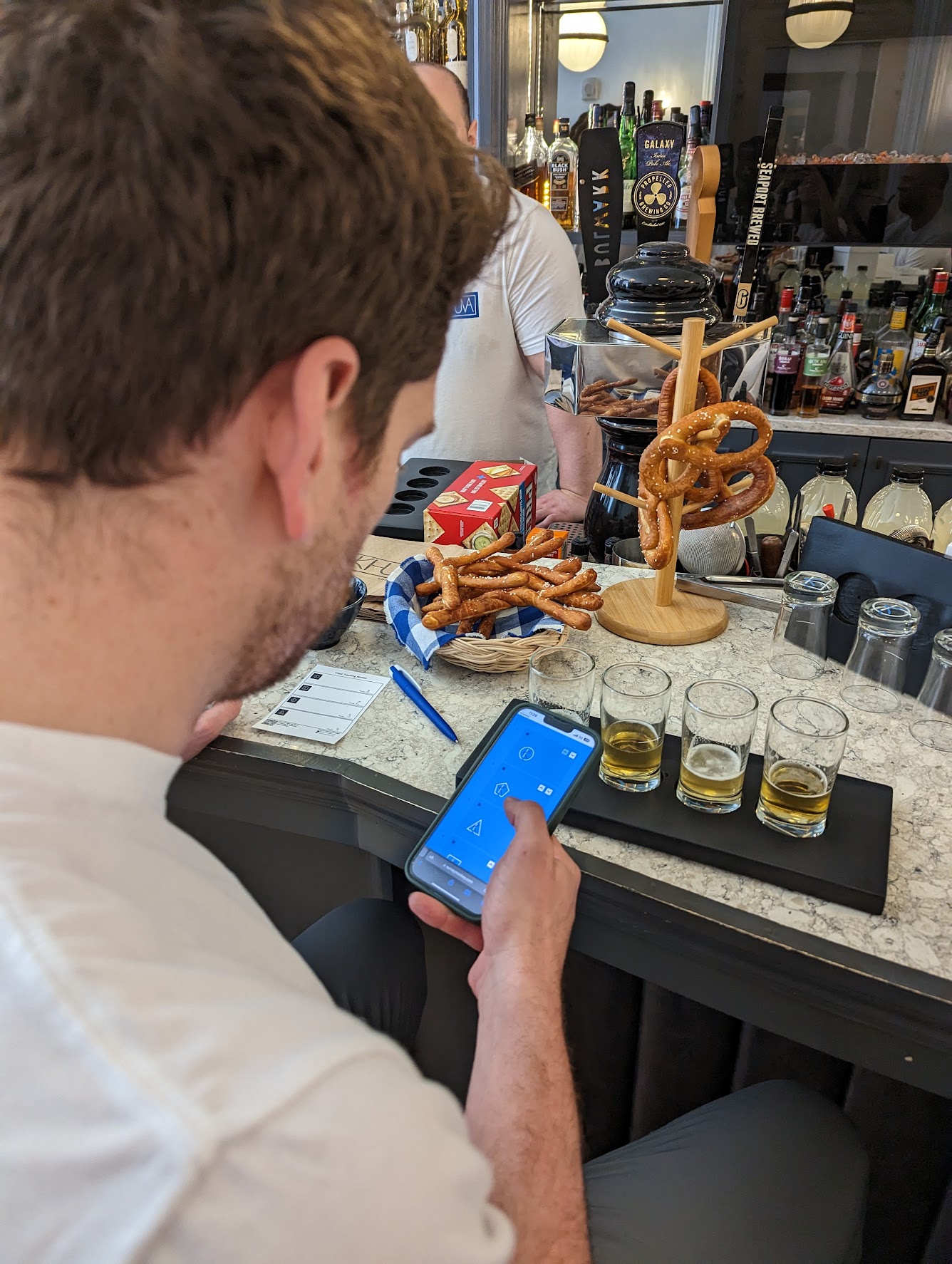
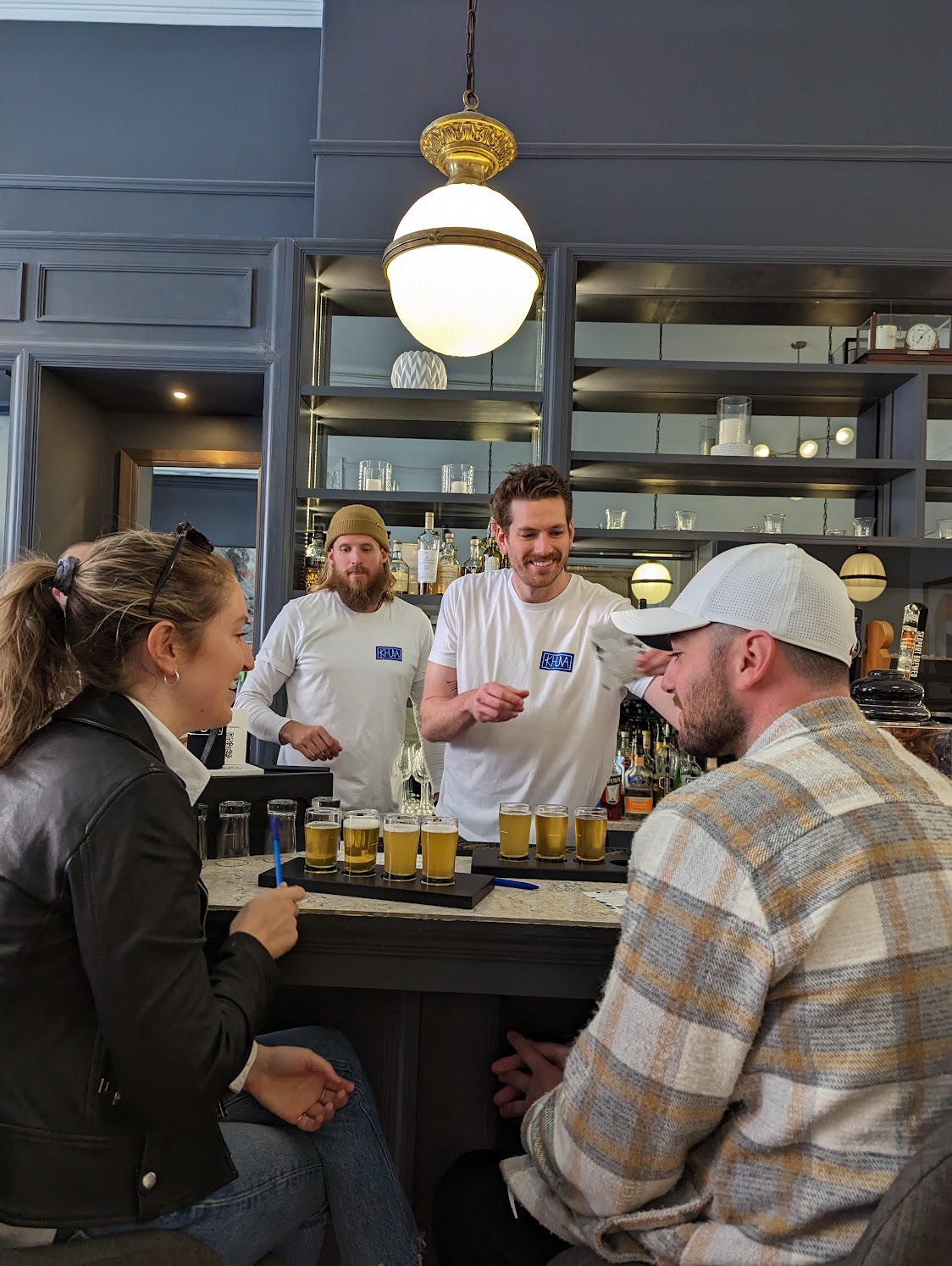
Because Khuva blends physical and digital experiences, it was crucial to test the blind tasting flow with real people early on. We started simple, using Google Forms to guide tastings with friends and family. As the process evolved, we leveled up to SurveyMonkey and began running live events at bars and breweries to observe how strangers interacted with the experience. These sessions were key: the digital product was designed to support, not dictate, a seamless in-person tasting journey.

235

Number of tests done
using google forms

462

Number of tests done
using survey monkey
STEP 6
Low Fidelity Wireframes
This project went through countless iterations—starting with quick, low-fidelity wireframes in Miro to explore layout and flow. As ideas solidified, I moved into Figma to refine the structure and visual design. Each version was shaped by peer feedback and user observations, helping us gradually sharpen both usability and clarity. What you see here is just a glimpse of a deeply iterative design process.
STEP 7
Mockups Version 1
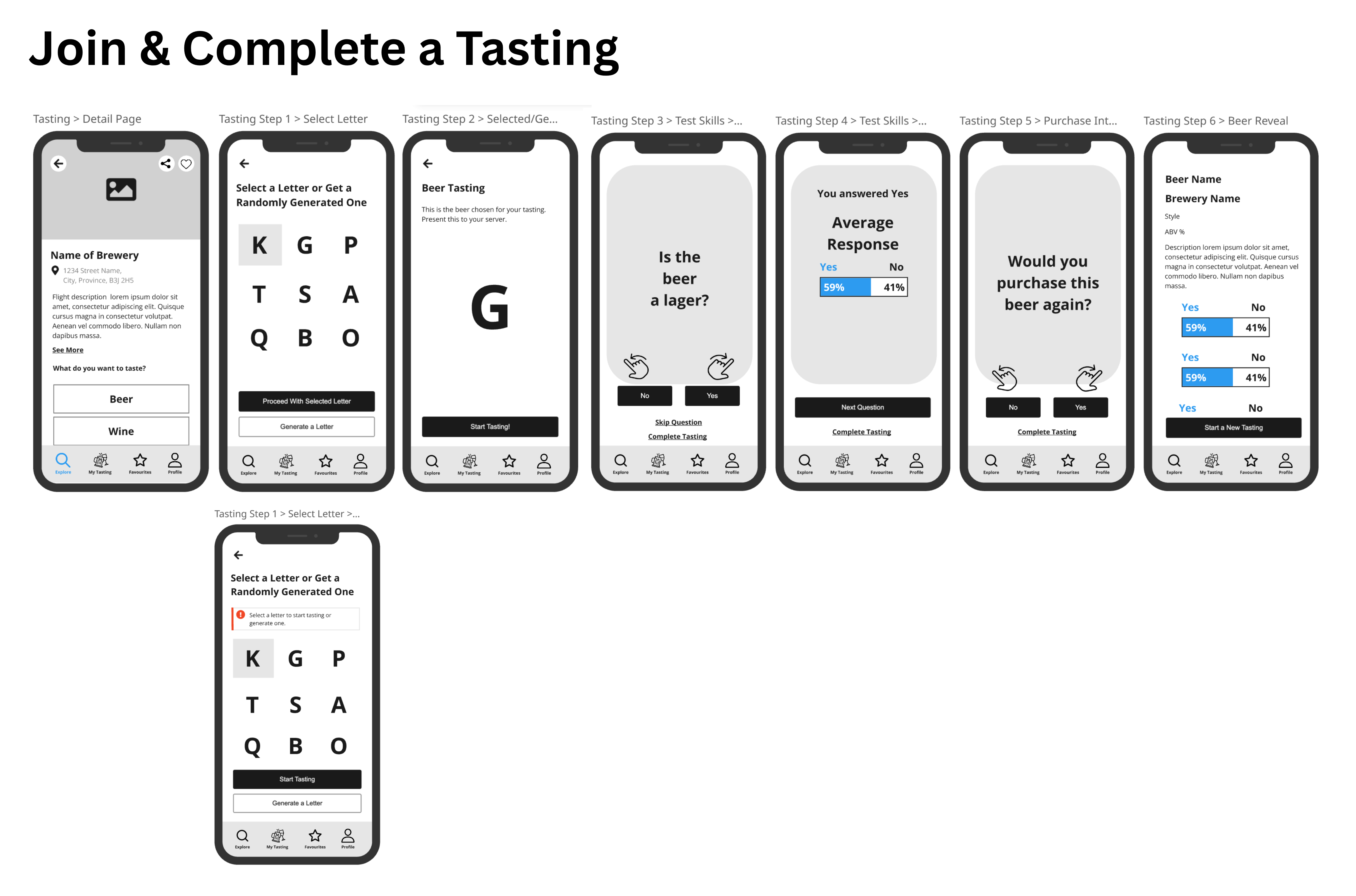
One of the biggest design challenges was figuring out how to make beers truly anonymous, while keeping the experience intuitive.

We iterated through multiple labeling systems from 3 digit numbers (in the google forms iteration), to shapes (on Survey Monkey), to colours (still on Survey Monkey) before landing on letters in our Flutter MVP.

Each change was driven by real user feedback and usability testing, with the final solution balancing clarity, speed, and ease of use for both user groups.
STEP 8
Mockups Version 2
View mockups version 2
Development
STEP 9
Feature Roadmap
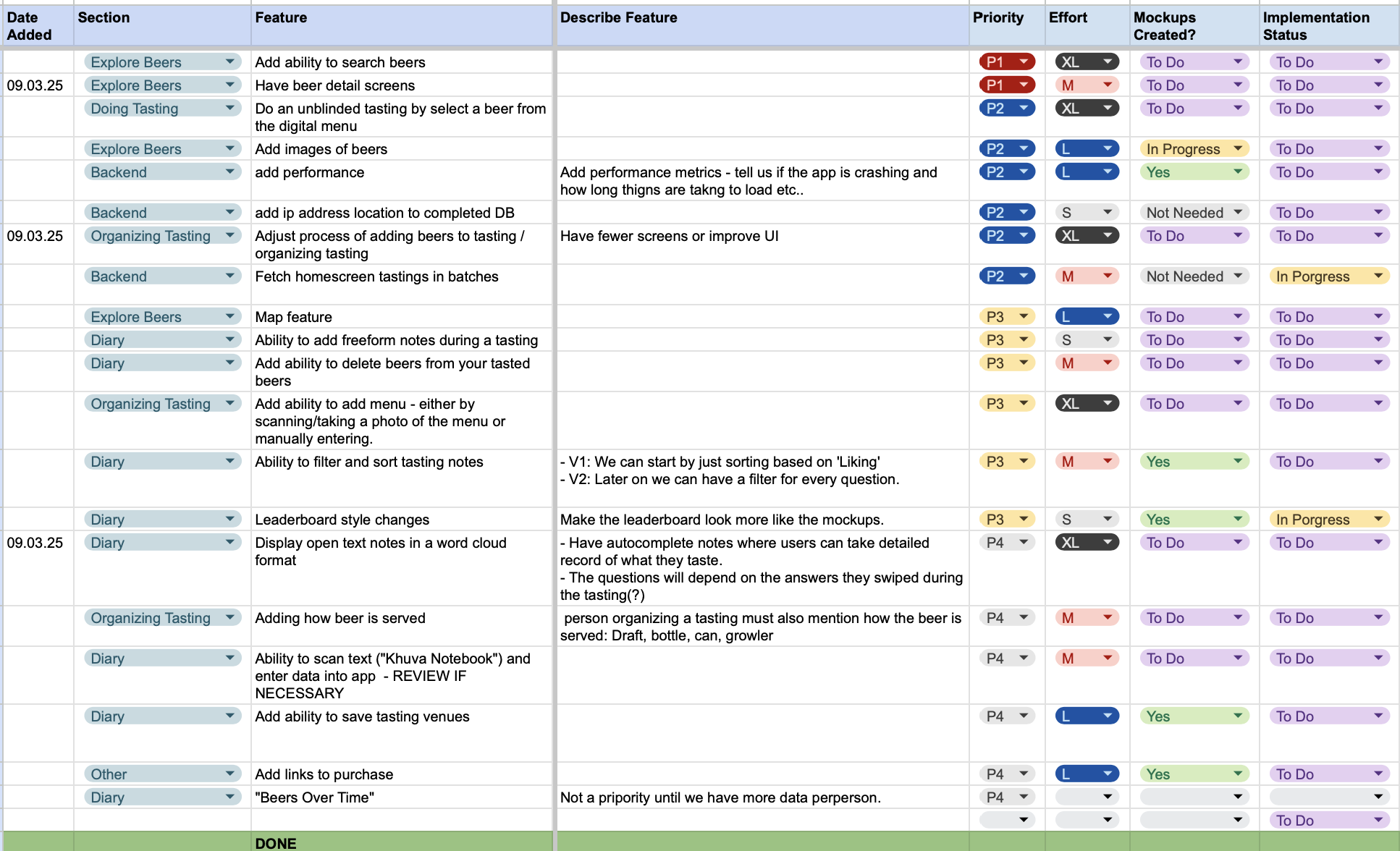
To guide development, I maintained a living feature backlog that outlined each feature’s purpose, linked supporting wireframes or mockups, and provided clear acceptance criteria. We prioritized using an impact-effort matrix, weighing each feature’s strategic value and its importance in helping users achieve their goals.

To estimate development complexity, we used T-Shirt Sizing (S–XL) and worked collaboratively to refine scope. This approach gave us clarity on what to build, when to build it, and how to stay lean while maximizing value.
STEP 10
Agile Build
We built the app in Flutter, working in weekly sprints. Our approach emphasized agility over perfection—shaping the roadmap based on continuous learning. Each sprint was informed by real-world usage: we released features ahead of live tasting events, collected feedback, and iterated fast.

Our definition of success was simple:
 High-impact + low-complexity = green light
 Every release needed to support the core user experience without bloating the product
STEP 11
Testing
I tested each feature as it was developed, logging and prioritizing bugs to be tackled sprint by sprint.

Feature launches were often timed with real-world events:

 Craft beer festivals that brought in massive traffic (risky for us but so beneficial for product testing!

 At breweries and tap rooms who used the app for special one off events or to continuously offer blind tastings to their patrons.

These environments gave us the perfect environment to stress-test the product under real pressure.

Each event doubled as a live usability lab. We watched how users actually engaged with the app, then adjusted flows, simplified interactions, and re-prioritized our roadmap based on what we learned in the field.

235

Total number of
users from festivals
Festivals where the app was used:

Science of Beer, Halifax Canada, June 2024
Atlantic City Beer Festival, NJ, USA, March 2025
Edmonton Craft Beer Festival, Edmonton, Canada, March 2025
Science of Beer Festival, Halifax, Canada, April 2025
Calgary International Beerfest, Calgary, Canada, May 2025
Together We Brew, Halifax, Canada, May 2025
Durham Craft Beer Festival, Oshawa, Canada, May 2025
Portland Craft Beer Festival, Portland Oregon, U.S.A, July 2025
Seaport Beer Festival, Halifax, Canada, August 2025

462

Total number of users
from craft beer venues
Craft beer venues where the app was used:

 Loyal Legion Beer Hall, Portland, OR, USA
•  Rainhard Brewing Co., Toronto, Canada
 Eastbound Brewing Co., Toronto, Canada
 Something in the Water Brewing Co., Toronto, Canada
 Brazen Head Irish Pub, Toronto, Canada
 Halo Brewery, Toronto, Canada
 Junction Craft Beverage Co., Toronto, Canada
Rorschach Brewing Co., Toronto, Canada
Rouge River Brewing Co., Toronto, Canada
 Cold Garden Beverage Co., Calgary, Canada
 Polyrhythm Brewing, Edmonton, Canada
•  Alley Kat Brewing Co., Edmonton, Canada
•  
The Growlery Beer Co., Edmonton, Canada
•  
Smokehouse Brewery, Berwick, Canada
•  Schoolhouse Brewery, Windsor, Canada
 Tatamagouche Brewery, Tatamagouche, Canada
•  
Tusket Falls Brewery, Halifax, Canada
•  
Tapestry Beer Bar, Halifax, Canada
•  
Garrison Brewing Co., Halifax, Canada
•  
Harvest Clean Eats, Halifax, Canada
•  Hopard Beer Bar, Halifax, Canada
•  
The Halifax Club, Halifax, Canada
 The Oxford Taproom, Halifax, Canada
•  
Village Taphouse, Halifax, Canada
 2 Crows Brewing Co., Halifax, Canada
•  
Burnside Brewing Co., Halifax, Canada
•  North Brewing, Halifax, Canada
•  Propeller Brewing, Halifax, Canada
•  Serpent Brewing, Halifax, Canada
•  
Hardisty Brewing, Cole Harbour, Canada
•  Lunn's Mill Beer Co., Lawrencetown, Canada
•  Saltbox Brewing Co., Mahone Bay, Canada
Reflections
 Research and planning are essential but sometimes, you just have to build and get it in front of real people. The biggest breakthroughs came from testing the product in the wild.

 Simplify your idea, then simplify it again! Moving fast to test, but yet keeping the features as simple as possible is a tough line to walk. You won't always get it right, but you have to keep trying to keep it simple by basing feature designs on thorough user research.